
California takes the protection of employees very seriously. Our laws are designed to ensure reasonable working conditions, fair pay, and protection from exploitation. A labor law attorney in Burbank, California can help you understand all the protections and rights you have under the law and protect those rights through legal action if necessary.
California Employee Protections
Minimum Wage
The first and most basic protection that an employee has is to be paid the minimum wage, which as of January 1, 2025, is $16.50 an hour. This rate adjusts every year for inflation to a maximum of 3.5% per year, and certain industries have higher minimum wages. Some cities and counties have higher local minimum wages, as well, and employers are required to pay the highest applicable rate. If they don’t, they are committing wage theft and can be penalized.
Overtime
Unless you are an exempt employee, you are entitled to 1.5 times your usual pay rate for any overtime work you do. Overtime is defined as anything more than eight hours in a single day or 40 in a week. If you work beyond 12 hours in a day or beyond eight on the seventh consecutive workday, you get double your regular rate. What’s considered your “regular rate” includes hourly wages, piecework, commissions, salary, and non-discretionary bonuses. Gifts, discretionary bonuses, and certain other benefits are excluded.
Exempt employees include many salary employees, if they earn the equivalent of at least twice the minimum wage for the hours they put in, and if they perform administrative, executive, or professional duties. However, it is possible for an employee to be misclassified as exempt, and if that has happened to you, talk to your lawyer, as you may be entitled to penalties and back pay.
Meal and Rest Breaks
If you work more than five hours in a day, you must be given a 30-minute, unpaid meal break before the end of that fifth hour. If you work a shift for more than 10 hours, you must be given a second meal break of 30 minutes before the 11th hour. You do have the right, if you choose, to waive that first meal break if you’re working six hours or less, and you can waive the second one if you’re working 12 hours or less, as long as you took the first one.
Only certain employees can be required to do work during their meals, and only if their job is such that they cannot be given relief from all duties. For example, if you are the only security guard at a facility, you certainly cannot leave your station completely for 30 minutes. Thus, your employer can expect you to work while you eat, though you must be paid for meal time in that case.
Employees are also entitled to a 10-minute rest break, paid, for every four hours that they work. In order for it to count as a true rest break, you must be relieved of all duties. If you are required to stay on site for your meals, your employer has to provide a suitable place for you to take your meal. If your employer fails to comply with these rules, then you are entitled to one hour’s pay at your regular rate for each missed meal or rest break per workday.
Wage Statements
Your employer has to give you a wage statement that includes your name and identifying information, your employer’s name and address, and which clearly marks out all the details you need to know. It must show the pay period, the gross wages you earned, the total hours you worked (unless you are a salaried or exempt employee), piece-rate units and rates if those are applicable, and the hourly rates you are being paid. It must also clearly show all deductions that were made for taxes, insurance, or anything else and list your net final wages.
Payment of Wages
You have to be paid twice a month, and you must be told in advance when that will be. There are some exceptions to this, but talk to a lawyer to be sure. If you are being fired, you must be paid immediately upon termination, and your wages must include any accrued vacation time. If you quit and give 72 hours notice, you must be paid everything on your last day. If you quit without notice, your employer has 72 hours to get you your final paycheck. If you’re not paid on time, then late payment penalties begin to accrue against your employer quickly.
Deductions from Your Wages
There are only certain situations where your employer is permitted to deduct anything from your wages. First, your employer obviously must deduct anything that is required by law, which would include all taxes and any court ordered garnishments. Beyond that, your employer may only deduct things which are authorized in writing by you for insurance premiums or benefit contributions or which have been authorized by a collective bargaining agreement.
Your employer is not permitted to deduct gratuities, business expenses, or the cost of uniforms or medical exams that they require for your employment. Your employer can only make a deduction for a cash shortage or equipment loss if they can prove that you were dishonest or willfully or grossly negligent. In other words, if you break a machine, they have to prove that you intended to break it to garnish your wages.
Child Labor Laws
Anyone under the age of 18 needs to get a work permit from their school or the Labor Commissioner’s Office. This permit has to be signed by both the school and by the child’s parents, and the child must be at least 14 years old, except in entertainment or agricultural work. The amount of time that a minor is allowed to work will depend on whether school is in session or not and their age. For example, children aged 14 to 15 may not work more than three hours on school days or eight hours on non-school days and cannot work more than 18 hours total during the school year. When school is not in session, they can work up to eight hours per day but no more than 40 hours per week.
Equal Pay Laws
The California Equal Pay Act, which has been strengthened and adjusted over the years, essentially requires that employees must be paid the same if they do substantially the same work. “Substantially” here means not just in reference to the work itself but also to the amount of effort it takes, the skill required, and the amount of responsibility. So, for example, there may be three people who do the same work, but if one of them has the final responsibility for guaranteeing that the work is done right (i.e., that employee would be the only one penalized if the work is not finished), that employee can be paid more because their responsibility is greater.
Contact Our Employment Law Attorneys
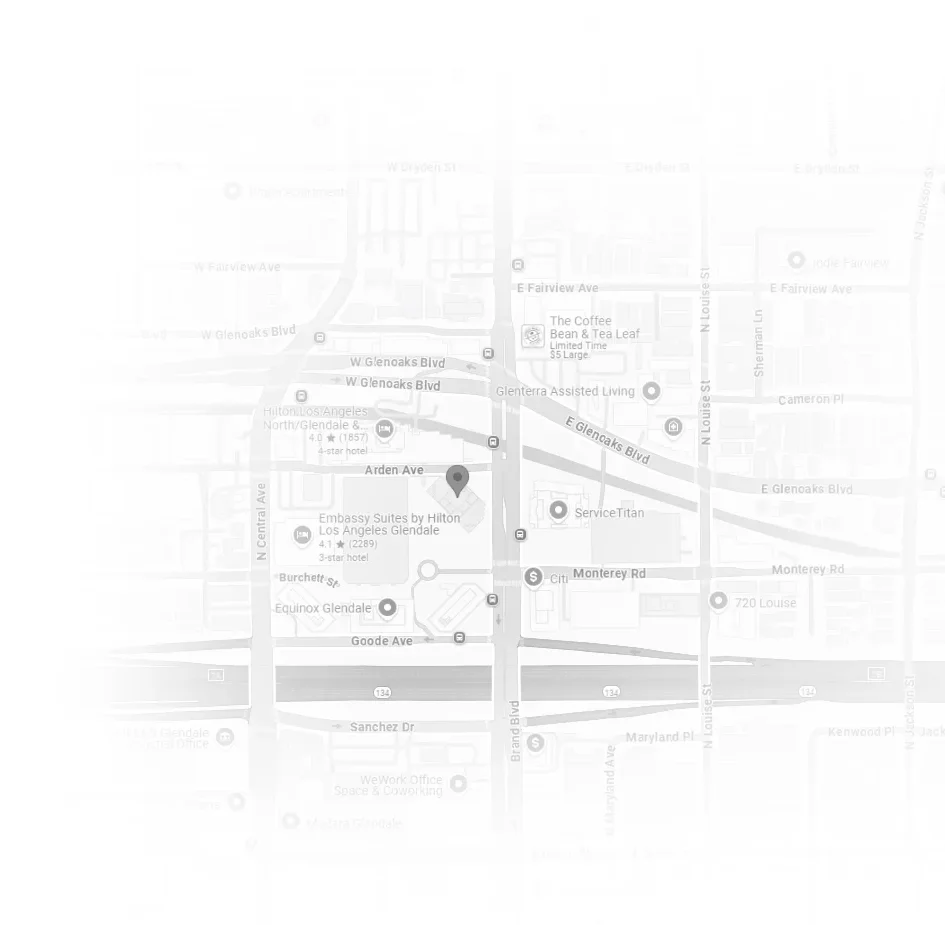
Contact the experience team of attorneys of Haig B. Kazandjian Lawyers APC today. We proudly serve clients across California. Visit us at our Glendale office at:
Haig B. Kazandjian Lawyers APC
801 N. Brand Blvd., Suite 1015,
Glendale, CA 91203
Phone: (818) 696 2306