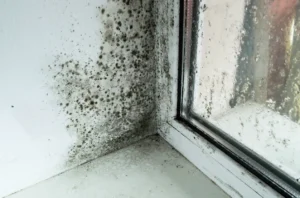
 Mold infestation is not just an eyesore; it’s a serious problem that can lead to significant health risks and property damage. In rental properties, tenants often face difficulties when landlords do not address these issues quickly. Imagine the frustration of finding black mold spreading in your apartment, affecting your health and comfort. This is when a Glendale mold infestation lawyer becomes essential.
Haig B. Kazandjian Lawyers APC is here to help tenants navigate the legal challenges related to mold problems. We are dedicated to ensuring tenants get the justice and compensation they deserve when dealing with negligent landlords. Our approach is straightforward, offering effective legal solutions tailored to your specific needs.
Don’t let mold problems go unresolved. Call us today at 818-696-2306 for a free consultation. Our committed attorneys will clearly explain your legal options and ensure your rights are protected. Contact us now to take the first step toward a mold-free living
Understanding Mold Infestation
Mold plays a key role in nature by breaking down organic materials outdoors. However, indoors, it becomes a problematic invader. Mold spores, which are invisible to the eye, can float through the air and settle on damp surfaces, leading to indoor mold growth. This makes mold particularly sneaky, often going unnoticed until it causes considerable damage.
Mold thrives in moist places like areas with leaks, unventilated showers, wet basements, and air ducts. To prevent mold growth, it’s important to control moisture. Areas should be dried within 24-48 hours after a leak occurs. If ignored, mold can spread quickly, so acting fast is crucial.
For tenants, finding mold isn’t just about dealing with an ugly problem; it’s a race against time to stop further mold growth and avoid possible health issues. Understanding how mold spreads and the conditions it needs to grow helps in taking proactive steps to protect your home and health.
Potential Health Risks of Mold Exposure
Mold exposure can lead to serious health risks that shouldn’t be ignored. Mold exposure can cause a variety of health issues, such as:
- Respiratory Issues: Mold spores can cause or exacerbate respiratory problems, including asthma and chronic bronchitis, leading to coughing, wheezing, and difficulty breathing.
- Allergic Reactions: Black mold is particularly notorious for triggering allergic reactions due to its spores. Symptoms include sneezing, coughing, runny nose, and eye irritation.
- Skin Irritation: Contact with mold can cause skin rashes and irritation, affecting both sensitive and non-sensitive individuals.
- Headaches and Fatigue: Prolonged exposure to mold can result in persistent headaches and chronic fatigue, impacting daily functioning.
- Eye and Throat Irritation: Mold exposure can lead to irritation of the eyes and throat, causing discomfort and soreness.
- Immune System Suppression: Continuous exposure to mold may weaken the immune system, making individuals more susceptible to infections and illnesses.
- Exacerbation of Pre-existing Conditions: Individuals with asthma or chronic respiratory conditions may find their symptoms exacerbated by black mold exposure.
Symptoms related to black mold exposure can appear quickly, especially for those with allergies, making it crucial to tackle mold problems right away. Even after cleaning, dead mold can still cause allergic reactions, so complete removal is essential to ensure everyone’s safety. The health effects of mold exposure are widespread and can affect anyone, emphasizing the importance of early detection and thorough cleanup.
Legal Responsibilities of Landlords
 Landlords have a legal duty to manage and reduce mold in rental units to keep tenants safe and healthy. The Toxic Mold Protection Act requires landlords to inform potential tenants about any known mold issues before signing a lease, allowing tenants to make informed decisions about their living conditions.
In California, landlords must repair the root causes of mold, such as leaks or poor ventilation. When a tenant reports a mold problem, landlords must investigate and hire a certified inspector to evaluate the situation within 30 days, especially if there are health risks. If they fail to fix the problem, landlords can be held responsible for any damages, including health issues.
If landlords neglect mold issues, they can face serious legal consequences. Tenants have the right to take legal action if a landlord doesn’t properly handle mold problems, ensuring their safety and well-being. Knowing these legal responsibilities helps tenants hold landlords accountable and protect their rights.
Can a Landlord Refuse to Fix a Mold Problem if They Claim the Tenant Caused It?
When dealing with mold issues in rental properties, landlords might argue that tenants caused the mold growth, which could affect their responsibility to fix the problem. However, this doesn’t automatically relieve landlords of their duty to keep the living environment safe.
In California, landlords must provide a safe and healthy rental unit, regardless of how the mold started. Even if a landlord believes a tenant’s actions, like not ventilating properly or causing water damage, led to mold, they still need to investigate and fix the issue. The landlord can later address the tenant’s role separately, possibly by deducting costs from the security deposit or through other legal means.
Tenants should keep records of maintenance requests and communications with landlords to protect their rights. If a landlord refuses to fix a mold problem by blaming the tenant, consulting with a lawyer can help tenants understand their legal options and ensure their safety and well-being are prioritized.
Tenant Rights and Legal Remedies
As a tenant, it’s crucial to understand your rights and the legal remedies available if your landlord fails to address mold issues. Landlords are required to respond to mold complaints promptly, usually within a reasonable timeframe.
In California, they must inform tenants of any known mold problems before leasing the property. If landlords ignore mold issues, tenants may have the right to withhold rent or use the ‘repair and deduct’ remedy.
If landlords fail to properly resolve mold problems, tenants can file complaints with local authorities. Legal actions might include claims for negligence, breach of warranty, or emotional distress. Keeping a detailed record of all communications about the mold issue is vital. This includes written notices to the landlord, with clear descriptions and dates.
Our firm has successfully handled numerous cases for tenants who experienced personal property loss due to landlord negligence. This highlights the importance of knowing your rights and seeking legal assistance when necessary.
Steps to Take When You Discover Mold
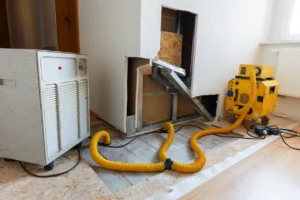 Finding mold in your apartment can be scary, but knowing the right steps can help you deal with it safely and effectively. Here’s a simple guide to handle the situation:
- Avoid Contact and Ventilate: Immediately avoid direct contact with the mold and ventilate the area by opening windows and doors to minimize health risks.
- Document the Mold: Use your phone or a camera to capture clear pictures or videos of the mold, noting its location and extent. This documentation is essential for legal claims or formal notifications to your landlord.
- Notify Your Landlord: With evidence in hand, notify your landlord in writing about the mold issue. Include your observations, gathered evidence, and a clear description of the mold’s location. This formal notification prompts your landlord to take necessary actions to address the problem.
- Hire a Professional Mold Inspector: Consider hiring a professional mold inspector for a comprehensive assessment of the mold issues. They follow scientific standards to evaluate the presence and severity of the mold. Their detailed reports enhance the credibility of your claims and help ensure thorough remediation.
- Keep a Record of Communications: Maintain a written record of all communications with your landlord regarding the mold issue. Include dates, descriptions, and any responses received. This documentation will be invaluable if you need to pursue legal action.
- Seek Legal Advice: If your landlord fails to address the mold issue promptly, consult with a Glendale mold infestation lawyer. They can guide you through the legal process and help you understand your rights and potential remedies.
By following these steps, you can effectively manage mold issues in your rental property and protect your health and legal rights.
Proving Negligence in a Mold Infestation Claim
When you’re trying to make a case for a mold infestation, it’s important to show that the landlord was careless. You need to prove that the landlord didn’t keep the living space safe, which led to mold growth and caused health problems or damaged property.
To prove negligence, you need to focus on these key points:
- Duty of Care: Show that the landlord had a legal obligation to maintain the property and prevent mold issues by addressing moisture problems and ensuring proper ventilation.
- Breach of Duty: Provide evidence that the landlord breached this duty by neglecting necessary repairs or ignoring tenant complaints about mold or related conditions.
- Causation: Demonstrate a direct link between the landlord’s breach of duty and the mold infestation, resulting in health issues or property damage.
- Damages: Present documentation of the damages suffered, such as medical records, repair costs, or lost property value, due to the mold infestation.
Successfully proving these elements requires gathering strong evidence and often working with a lawyer. They can help tenants collect the necessary proof and build a strong case to hold landlords responsible for their negligence.
Compensation You May Be Entitled to in a Mold Infestation Case
If you’re dealing with a mold infestation in your rental unit, you might be eligible for different types of compensation, especially if your landlord doesn’t fix the problem quickly. Knowing about these potential compensations can help you understand the worth of your claim and effectively seek justice.
- Medical Expenses: If mold exposure has led to health issues such as respiratory problems, allergies, or other medical conditions, you can claim compensation for medical bills, medications, and any ongoing treatment costs.
- Property Damage: Mold can cause significant damage to personal belongings, including furniture, clothing, and electronics. You may be entitled to compensation for the repair or replacement of damaged items.
- Relocation Costs: If the mold infestation makes your rental unit uninhabitable, you might need to temporarily relocate. In such cases, you can claim compensation for moving expenses and additional living costs incurred during relocation.
- Loss of Income: Health issues stemming from mold exposure can lead to missed workdays and lost wages. Compensation for lost income can help cover the financial impact of being unable to work due to illness caused by mold.
- Emotional Distress: Dealing with a mold infestation can be stressful and emotionally taxing. In some cases, you may be entitled to compensation for emotional distress and the impact on your mental well-being.
- Legal Fees: If you take legal action against your landlord and win the case, you may be able to recover legal fees and court costs, alleviating the financial burden of pursuing justice.
Getting the right compensation means having strong proof and good legal help. A Glendale mold infestation lawyer can assist you in collecting all the necessary documents and building a strong case to make sure you get the compensation you deserve for the harm you’ve experienced.
How Haig B. Kazandjian Lawyers APC Can Help You
At Haig B. Kazandjian Lawyers APC, we focus on helping tenants deal with mold issues by understanding their rights and providing clear legal solutions. Our team is committed to prioritizing your health, safety, and rights, aiming to resolve any mold-related problems you might encounter.
We believe in being open and easy to reach. That’s why we offer free consultations to talk about your situation without any initial costs. Plus, we work on a no-win, no-fee basis, so you only pay if we successfully resolve your case. This approach ensures that everyone can access quality legal help, no matter their financial situation.
Our method not only handles the current legal challenges but also looks at ways to prevent future issues. With our support, you can confidently manage mold infestation cases and get the fairness and compensation you deserve.
Don’t let mold affect your health and well-being. Take action today by calling us at 818-696-2306 to schedule your free consultation and start moving towards a mold-free living environment.
Additional Resources

$3,600,000
$2,800,000
$1,500,000
$1,260,000
$1,500,000