In California, the implied warranty of habitability ensures that tenants have the right to live in rental units that meet basic health and safety standards. This legal doctrine mandates that landlords maintain their properties in conditions suitable for occupancy throughout the duration of the lease. Understanding landlord responsibilities, common violations, and the steps tenants can take when faced with uninhabitable conditions is crucial for safeguarding tenant rights.
Landlord Responsibilities & Common Violations
Under California law, landlords are obligated to provide and maintain rental properties that are safe and livable. This includes ensuring the property has effective waterproofing and weather protection, functioning plumbing and gas facilities, and a reliable supply of hot and cold running water. Additionally, landlords must provide adequate heating, safe electrical systems, and maintain the property free from pests and vermin. Proper sanitation facilities and well-maintained common areas are also essential components of a habitable dwelling.
Despite these clear obligations, common violations persist. Tenants often encounter issues such as persistent mold growth, faulty plumbing leading to leaks or sewage problems, inadequate heating during colder months, and infestations of rodents or insects. Structural problems like broken stairways or deteriorated flooring can pose significant safety hazards. Additionally, a lack of proper security measures, such as functioning locks on doors and windows, compromises tenant safety. These conditions not only breach the warranty of habitability but also endanger the health and well-being of occupants.
Implied Warranty of Habitability in California
Tenant Rights Attorney in Glendale & L.A. – 818-696-2306
Under California law, landlords are required to keep rental properties in acceptable, livable conditions for all tenants. This “implied warranty of habitability” is a legal rule that requires landlords to keep their residential rental units in a condition that is fit and safe. Every residential rental agreement contains this warranty, whether or not written into it, as the warranty is implied and cannot be waived by either the landlord or the tenant.
Do you have questions about the implied warranty of habitability? HBK Lawyers APC has the answers. Our highly experienced Los Angeles County and Riverside County tenant rights lawyer is here to make certain you fully understand your rights. If or when an issue does arise, then you can count on us to be your legal advocates and representatives through thick and thin.
Get more information now. Contact HBK Lawyers for Tenant Rights Help to begin.
California Tenant Law: Key Legal Provisions and Cases
In Green v. Superior Court, the Supreme Court of California recognized that a landlord-tenant relationship created a duty on a residential landlord to maintain rental units in habitable condition for the entirety of the lease agreement. It was noted that this did not mean the property had to be in perfect or welcoming condition. In order to comply with the law, a landlord must maintain the property so it meets “bare living requirements.” California law outlines the amenities needed to meet these standards.
Essential Amenities for Rental Units as Defined by California Law
Specifically, California Civil Code §1941.1 lists the amenities that must be found in every rental unit:
- Roofs, walls, doors, and windows are in good condition to create waterproofing and weatherproofing.
- Plumbing, gas facilities, electrical lighting, sewage disposal systems, and heating systems that meet legal code at the time they were installed. Regular maintenance to these systems is also necessary when required.
- Water system capable of providing running hot and cold water. If tenants do not control the system independently, then the landlord must allow access to hot and cold water at reasonable times.
- The entire property must be reasonably free of debris, garbage, and pests.
- Garbage receptacles must be made available to all tenants, and the landlord must arrange for a appropriate trash collection and disposal schedule.
- Floors, stairs, and railings must be kept in stable condition to prevent failures.
- Each tenant must have private access to a locking mailbox of some design.


Steps Tenants Can Take If Their Unit Is Uninhabitable
When faced with uninhabitable living conditions, tenants should take the following steps to address the issues:
- Notify the Landlord: Promptly inform your landlord about the problems in writing, detailing each issue and requesting necessary repairs. Keep a copy of this communication for your records. California law requires tenants to provide landlords with notice of defects and allow a reasonable time for repairs, typically 30 days, unless the situation demands more immediate attention.
- Document the Conditions: Maintain detailed records of the uninhabitable conditions, including photographs, videos, and written descriptions. This documentation can serve as critical evidence if legal action becomes necessary.
- Seek Inspection: If the landlord fails to respond, contact local health or building authorities to request an inspection. An official report can substantiate your claims and may prompt the landlord to address the issues.
- Consider Repair and Deduct: For minor repairs, California law permits tenants to undertake the repairs themselves and deduct the cost from their rent, provided the expense does not exceed one month’s rent. Ensure you follow legal procedures and retain all receipts.
- Withhold Rent or Move Out: In severe cases where the landlord fails to make necessary repairs, tenants may have the right to withhold rent or move out without penalty. However, these actions carry legal risks and should be considered carefully, ideally with legal counsel.
Legal Remedies for Tenants
If a landlord neglects their duty to maintain a habitable living environment, tenants have several legal remedies:
- Withholding Rent: Tenants may withhold rent if the landlord fails to address significant habitability issues after proper notice. It’s essential to follow legal protocols when choosing this option to avoid potential eviction proceedings.
- Repair and Deduct: As mentioned, tenants can pay for necessary repairs and deduct the cost from their rent, up to the equivalent of one month’s rent. This remedy is limited to twice in any 12-month period.
- Filing a Lawsuit: Tenants can sue landlords for damages resulting from uninhabitable conditions, including compensation for distress and any personal property damage. Courts may also order landlords to make necessary repairs.
Understanding these rights and remedies empowers tenants to advocate for their well-being and hold landlords accountable. When faced with uninhabitable conditions, it’s advisable to consult with a legal professional specializing in tenant rights to navigate the complexities of California tenant law effectively.
Know & Uphold Your Rights as a California Tenant
Before you dive into a legal conflict with your landlord, the legal rule requires you to make reasonable steps to notify your landlord of the issue and give them reasonable time to correct it. If they fail to make repairs, installations, or maintenance work as needed and in a reasonable amount of time, then you should think about taking legal action to set things right. Come to HBK Lawyers APC and our tenant rights attorney to begin your case anywhere in Los Angeles County or Riverside County.
Contact Our Employment Law Attorneys
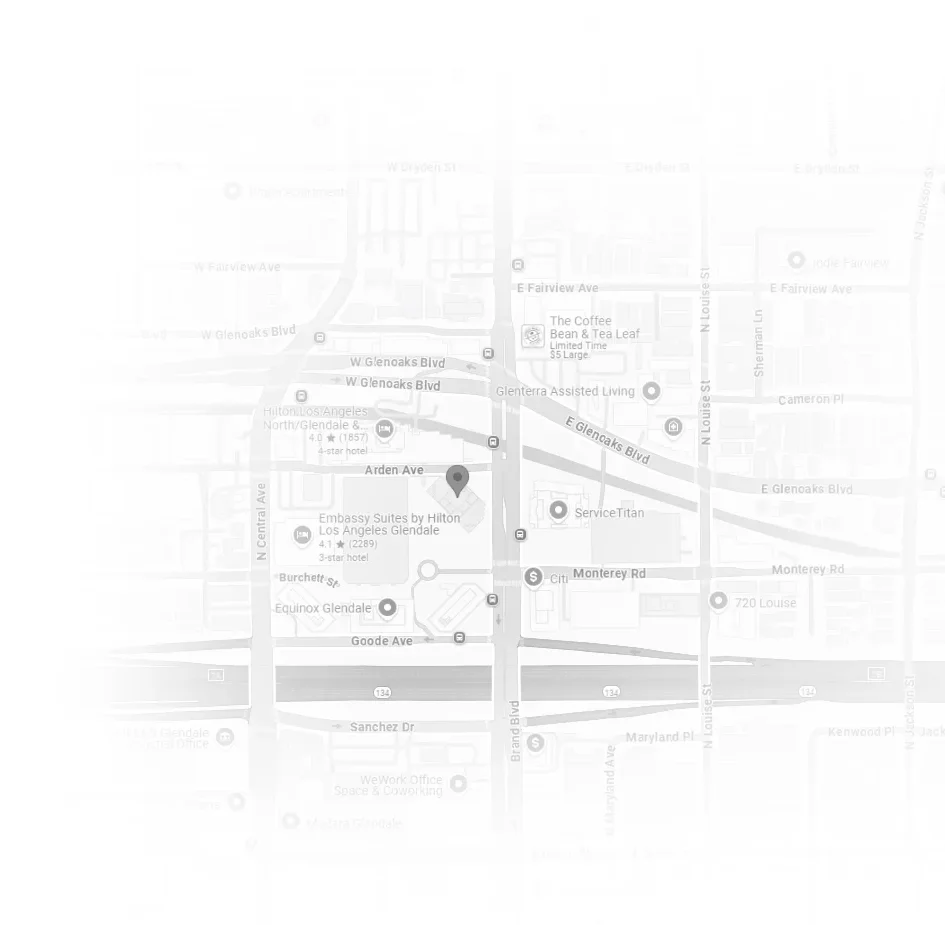
Contact the experience team of attorneys of Haig B. Kazandjian Lawyers APC today. We proudly serve clients across California. Visit us at our Glendale office at:
Haig B. Kazandjian Lawyers APC
801 N. Brand Blvd., Suite 1015,
Glendale, CA 91203
Phone: (818) 696 2306
Related Resources

$3,600,000
$2,800,000
$1,500,000
$1,260,000
$1,500,000