 In Glendale, dealing with housing code violations can be tricky for both tenants and property owners. These violations happen when properties don’t meet the safety and living standards set by local rules. For instance, issues like bad plumbing or unsafe wiring can be dangerous and lead to serious legal trouble.
At Haig B. Kazandjian Lawyers APC, we’re here to help you navigate these legal challenges with skill and dedication. Our experienced attorneys focus on protecting your rights and ensuring your property complies with Glendale’s housing codes.
We offer personalized legal strategies tailored to your specific needs and provide a free consultation to help you address any violations effectively. Contact us today at 818-696-2306 to schedule your free consultation and take proactive steps to resolve your housing issues.
Understanding Glendale Housing Code Violations
Housing code violations happen when property owners fail to follow local building codes and rules that ensure safety and livable conditions. In Glendale, city ordinances require property owners to keep their properties up to specific standards.
When these codes are not followed, it can put tenants’ safety and well-being at risk and violate their rights. These violations can range from small maintenance issues to major structural problems that pose serious dangers.
Understanding what counts as a housing code violation helps protect your tenant’s rights. By recognizing common violations and knowing how they are discovered, you can address potential problems early before they become more serious.
Common Types of Housing Code Violations
Housing code violations can appear in many ways, affecting how safe and livable properties are for tenants. Some common types of these violations include:
- Structural Issues: These involve problems with the building’s framework, such as foundation cracks, roof leaks, or unstable staircases, which can pose serious safety hazards.
- Electrical Hazards: Unsafe wiring, outdated electrical systems, or overloaded circuits can lead to fire risks and pose threats to tenants’ safety.
- Plumbing Deficiencies: Faulty plumbing systems, including leaky pipes, inadequate water pressure, or non-functional fixtures, can result in water damage and sanitation issues.
- Sanitation Problems: Poor waste disposal, inadequate sewage systems, or pest infestations compromise the health and well-being of residents.
- Heating and Ventilation Issues: Non-functional heating systems, lack of proper ventilation, or broken air conditioning units can lead to uncomfortable and unhealthy living conditions.
- Fire Safety Violations: Absence of smoke detectors, fire extinguishers, or blocked emergency exits can increase the risk of fire-related accidents.
- Unauthorized Alterations: Unapproved structural changes or additions to the property can violate building codes and compromise safety standards.
- Accessibility Non-compliance: Failure to provide necessary accommodations for individuals with disabilities, such as ramps or accessible facilities, can violate accessibility laws.
Understanding these common violations is essential for both tenants and property owners to keep up with Glendale’s housing rules and ensure safe living conditions. Knowing what these violations are helps everyone involved take the right steps to fix any problems and maintain a safe and healthy environment.
How Violations Are Discovered
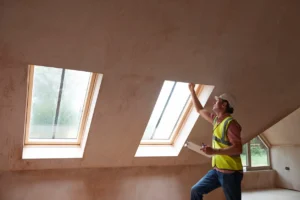 Violations can be found in two main ways: through reports made by residents or inspections done by city officials. Residents play a key role because they live in the conditions and can report problems they notice. City inspectors can also inspect properties to ensure they follow local housing rules.
These checks usually happen when a resident files a complaint with the City, County Health, or Housing department. Knowing how these violations are found helps tenants stay aware and act quickly to keep their living spaces safe. Fixing violations promptly can prevent bigger issues down the line.
What Role Does the Health Department Play in Housing Code Enforcement?
The health department and/or code compliance plays an important role in making sure homes are safe and healthy to live in. In Glendale, California, the Code Compliance office can look into problems like mold, pest infestations, and poor sanitation, which can be harmful to people living there.
If they find a problem, the health department or Code Enforcement will tell property owners to fix it. They will also come back to check if the issues have been fixed. By working with the community and other enforcement groups, the health department helps keep tenants safe and makes sure property owners follow local housing rules and health guidelines.
How Housing Code Violations Affect Tenants and Property Owners
Housing code violations can greatly affect both tenants and property owners. For tenants, these issues can lead to unsafe and unhealthy living conditions, impacting their daily lives and well-being. Problems like broken plumbing, poor heating, or electrical dangers need quick attention to make sure the home is safe and livable.
For property owners, not following housing codes can lead to legal troubles, including fines, penalties, and even lawsuits. It can also harm the property’s reputation, making it less appealing to future tenants. Fixing these code violations quickly is key to keeping the property’s value and following local rules.
By understanding the effects of housing code violations and taking steps to fix them, both tenants and property owners can ensure a safe and compliant living environment.
Steps to Take if You Discover a Housing Code Violation
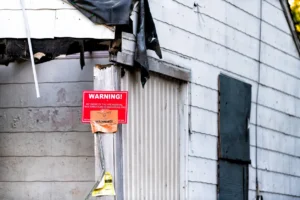 If you are a tenant and find a housing code violation in your rental unit, it’s important to act quickly to protect your rights and make sure your home is safe. Here’s what you should do:
- Document the Violation: Take clear photographs and detailed notes of the violation. This documentation will be crucial if you need to take legal action or negotiate with your landlord.
- Notify Your Landlord: Contact your landlord or property manager in writing to inform them of the violation. Provide a detailed description of the issue and include the documentation you’ve gathered. Request prompt repairs to address the problem.
- Understand Your Rights: Familiarize yourself with tenant rights to know what legal protections are available to you. Consulting a tenant rights lawyer can provide clarity on your rights and options.
- Contact Local Authorities: If the landlord does not address the violation in a timely manner, you may need to report the issue to local housing authorities or code enforcement officials. They can conduct an inspection and issue a notice to the property owner to make necessary repairs.
- Seek Legal Advice: If the violation persists and your landlord fails to take action, consider consulting a tenant rights attorney. A lawyer can help you understand your options, which may include withholding rent, filing a lawsuit, or breaking your lease without penalty.
- Consider Legal Action: In cases of severe or unaddressed violations, legal action may be necessary. A tenant rights lawyer can guide you through the legal process and help you pursue compensation or other remedies.
By following these steps, you can make sure that housing code violations are fixed quickly, keeping your living space safe and protecting your rights as a tenant.
How Long Does a Landlord Have to Fix a Reported Violation?
In California, landlords must fix housing code violations quickly to keep tenants safe and follow local rules. According to California Civil Code 1942.4, if a report finds code violations, landlords generally have 35 days to make the necessary repairs. This law is in place to ensure tenants live in safe and healthy conditions by requiring landlords to maintain their properties up to health and safety standards.
If landlords do not meet this requirement, they can face legal trouble, including fines and lawsuits. Tenants can report unresolved issues to local authorities, and if repairs are not made in time, they can take legal action.
Understanding California Code 1942.4 is important for both tenants and property owners in Glendale. It highlights the need for timely repairs and following housing codes. For tenants, it ensures their right to a safe and livable home, while reminding landlords of their duty to maintain property standards and avoid legal issues.
If you are dealing with a housing code violation and need help, talking to a Glendale tenant rights lawyer can guide you through the legal process and help protect your rights.
Legal Rights of Tenants Facing Unsafe Living Conditions
Tenants have specific legal rights when they face unsafe living conditions because of housing code violations. Knowing these rights is important to ensure you live in a safe and healthy environment. Here are some key rights tenants should know:
- Right to a Habitable Home: Tenants are entitled to live in a property that meets basic safety and health standards. This includes functioning plumbing, heating, and electrical systems, as well as proper sanitation and structural integrity.
- Right to Repairs: If a rental unit has defects that violate housing codes, tenants have the right to request repairs from their landlord. Landlords are obligated to address these issues promptly to maintain habitable conditions.
- Protection Against Retaliation: California law protects tenants from retaliatory actions by landlords, such as eviction or rent increases, when they report code violations or exercise their legal rights.
- Right to Legal Action: If a landlord fails to address serious violations, tenants may pursue legal action. This can include suing for damages, seeking rent reduction, or terminating the lease without penalty.
- Right to a Safe Environment: Tenants have the right to live in an environment free from hazards such as mold, pests, and other health risks. Landlords must take necessary measures to mitigate these dangers.
Knowing these rights helps tenants take the right actions when dealing with unsafe living conditions. Getting advice from a Glendale tenant rights lawyer can offer extra help and support in handling these legal issues.
Compensation Available to Tenants for Housing Code Violations
If you’re a tenant dealing with housing code violations, you might be able to get some form of compensation. If your landlord doesn’t fix serious problems, you can take legal action to get what you deserve. Here are some types of compensation you might be eligible for:
- Rent Abatement: Tenants may receive a reduction in rent for the period the property was uninhabitable or did not meet safety standards.
- Relocation Expenses: In cases where tenants must temporarily or permanently relocate due to unsafe living conditions, they may be compensated for moving costs and any additional rent incurred.
- Damages for Personal Injury: If a tenant suffers an injury due to a housing code violation, they may seek compensation for medical expenses, pain and suffering, and other related costs.
- Legal Fees: Tenants who successfully pursue legal action may be awarded attorney fees and court costs.
Talking to a lawyer can help you understand the types of compensation you might be eligible for and guide you through the legal steps you need to take.
How Haig B. Kazandjian Lawyers APC Can Help You
At Haig B. Kazandjian Lawyers APC, we are dedicated to providing clear and straightforward legal help for those dealing with Glendale housing code violations. Our team of attorneys is well-versed in local laws and focused on ensuring tenant rights are upheld in Glendale, California. We take pride in our ability to handle legal matters with care and attention to detail, making sure your case is managed smoothly and effectively.
We are committed to helping our clients by offering a free consultation to discuss your concerns and explore your options. We know how important it is to live in a safe environment, and we are here to assist you every step of the way, from our first meeting to resolving your issue. With our thoughtful legal approach, you can rely on us to address your housing concerns and stand up for your rights.
If you’re facing housing code violations, don’t hesitate to reach out. Contact Haig B. Kazandjian Lawyers APC today at 818-696-2306 for a free consultation and let us help ensure your living space is safe and well-maintained.
Additional Resources

$3,600,000
$2,800,000
$1,500,000
$1,260,000
$1,500,000