Guidance from a L.A. County Tenant Rights Attorney – 818-696-2306
In virtually every state in the nation, tenants are legally entitled to a safe and livable residences. In the area of law, this is referred to as the implied warranty of habitability. The state of California is no exception to this rule.
This mandatory warranty covers basic and important things such as:
- Roof that keeps the weather out
- Regular access to hot water
- A working heater
- Sturdy floors and walls
- Absence of significant danger from toxins such as lead, asbestos, and mold
- Absence of vermin or insects, such as rats, mice and cockroaches
When a California landlord refuses to provide these basic requirements or fails to make repairs when necessary, the implied warranty of habitability has been breached. A tenant may have the right to sue the landlord in these situations
For a discussion of your legal rights and what you should do next,818-696-2306 to talk to our tenant rights lawyer of HBK Lawyers APC. We represent clients throughout Los Angeles County and Riverside County.
Understanding the Implied Warranty of Habitability in California
Whether a California landlord knows this or not, they have the legal obligation to provide tenants with a livable place by the simple virtue of holding the premises out for rent. The implied warranty of habitability became law in the early 1970s and every state except Arkansas has incorporated this into their laws either by legislation or through court decisions.
A basic summary of the implied warranty of habitability requires that a California landlord:
- Keep the building’s floors, walls, stairs, and roofs safe and intact
- Maintain all common areas, including stairways and hallways, to be safe and clean
- Keep plumbing, sanitary, electrical, heating, ventilation, elevator, and air conditioning systems operating safely
- Provide trash receptacles for tenants and arrange routine trash pickup
- Supply reasonable amounts of cold and hot water at reasonable times
- Exterminate infestations of rodents and other pests
- Manage known hazards, including asbestos, lead paint, and mold so they do not pose an increased danger
Why Breaches of the Implied Warranty Matter
It is important to understand that the aforementioned list describes issues that are major and not minor. Of note, a defect is considered “minor” not because of the cost of repair but because it does not render the property uninhabitable. A “major” issue is one that makes the property unlivable.
In short, California’s implied warranty of habitability requires a landlord to keep the premises in a condition fit for the occupation of human beings. Landlords must substantially comply with housing and building codes/standards that materially affect a tenant’s safety and health. If your California landlord does not provide adequate heat or hot water regularly or fails to get rid of an insect infestation or rodent infestation, for example, then the implied warranty of habitability has been breached. On the other hand, if a tenant causes the unlivable, unclean, or unsafe condition by damaging the property, it is not the landlord’s responsibility to repair fix any arising issues.


Contact Our Employment Law Attorneys
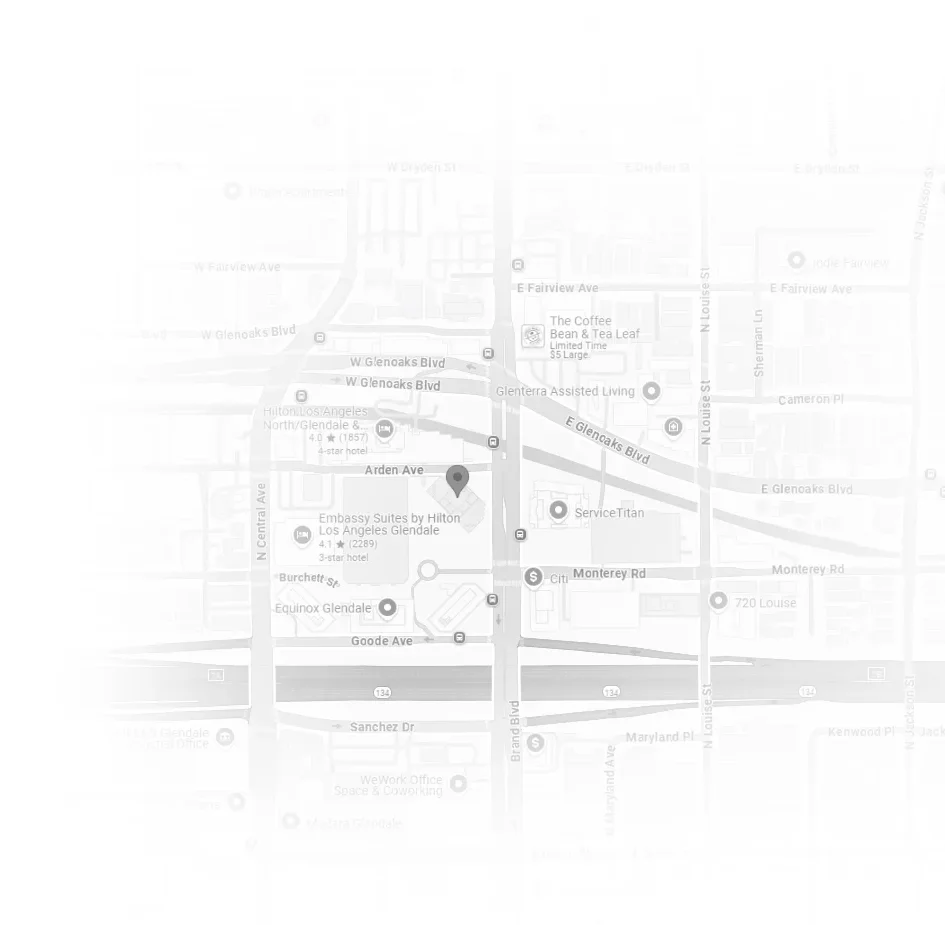
Contact the experience team of attorneys of Haig B. Kazandjian Lawyers APC today. We proudly serve clients across California. Visit us at our Glendale office at:
Haig B. Kazandjian Lawyers APC
801 N. Brand Blvd., Suite 1015,
Glendale, CA 91203
Phone: (818) 696 2306

$3,600,000
$2,800,000
$1,500,000
$1,260,000
$1,500,000