What Social Media Companies Knew — And When They Knew It

Instagram, YouTube, TikTok, Facebook, and Snapchat did not accidentally become “addictive”. Internal documents from Meta, Google, and other platforms reveal that engineers deliberately designed features tailored to maximize engagement, knowing these mechanics would increase compulsive use, particularly among teenagers. What they did not reveal were the mental health consequences that followed.
Social media addiction litigation addresses the gap between what these companies knew about the harm the designs of their products caused and what they told parents, regulators, and the public. Plaintiffs in these cases are primarily minors who experienced documented psychological harm, including eating disorders, body image distortion, self-harm, depression, anxiety, social withdrawal, suicidal thoughts and suicide as a direct result of excessive platform use that the algorithms were designed to encourage.
The lawsuits assert that social media companies prioritized user engagement and advertising revenue over child safety, failed to implement adequate protections despite internal warnings, and misrepresented the safety of their platforms to the public.
These are product liability and negligence claims, not speech-related disputes. The legal theory is simple: if you design a product to be addictive, and that product harms children, you are liable for the harm.
Who Can File a Social Media Addiction Lawsuit?
Social media addiction claims are not available to every user who spent significant time on these platforms. Courts and the plaintiffs’ legal teams screening cases have established eligibility criteria that reflect the severity of harm and the strength of the causal connection between platform use and documented injury.
Eligibility Requirements
To qualify for participation in the current social media addiction litigation, a plaintiff generally must meet the following:
- Age: The individual was a minor (under 18) at the time the harm occurred. Most cases involve teens who were heavy platform users between the ages of 13 and 17. Typically, people under the age of 25 have viable claims in these lawsuits.
- Platform use: The individual used one or more of the named platforms (Instagram, Facebook, YouTube, TikTok, and Snapchat) for multiple hours per day over an extended period.
- Documented harm: The individual experienced mental health consequences that required treatment with therapy, psychiatric care, hospitalization, or medication.
- Causal connection: The mental health harm began or significantly worsened during a period of intensive social media use. Medical records, therapy notes, and timelines connecting increased platform use to the onset of symptoms are critical evidence.
Platform-generated usage data, if available, strengthens the case. Parental observations and school records documenting behavioral changes also support claims.
Types of Harm That Qualify
The litigation focuses on specific categories of documented mental health injury. The most commonly accepted harms include:
- Eating disorders: Clinically diagnosed eating disorders that developed or worsened due to exposure to appearance-related content, comparison culture, and algorithmic amplification of harmful material.
- Body dysmorphia: Persistent distorted perception of physical appearance, often linked to exposure to filtered images, beauty standards promoted by influencers, and algorithm-driven content emphasizing physical appearance.
- Depression and anxiety disorders: Major depressive disorder, generalized anxiety disorder, or social anxiety that developed or intensified during periods of heavy platform use.
- Self-harm: Non-suicidal self-injury behaviors, such as cutting, burning, and other forms of deliberate harm, that began or escalated during platform use.
- Suicidal ideation or attempts: Documented thoughts of suicide or actual suicide attempts that occurred during or after prolonged exposure to harmful content, particularly when the platform’s algorithm recommended or amplified such material.
- Social withdrawal and isolation: Severe reduction in face-to-face social interaction, loss of friendships, academic decline, or inability to participate in previously enjoyed activities when these changes coincide with compulsive social media use.
Courts and case screeners evaluate these claims using medical records, therapy notes, school records, and expert testimony linking the harm to platform design. Self-diagnosis does not satisfy the evidentiary standard.
The Platforms Named in the Litigation

The multidistrict litigation (MDL) centralized in the U.S. District Court for the Northern District of California names several major social media companies as defendants. Each platform is accused of designing features that prioritize engagement over safety, particularly for young users.
Meta: Instagram and Facebook
Meta’s platforms, Instagram and Facebook, are the most frequently cited defendants in social media addiction cases. Internal documents disclosed through litigation and whistleblower testimony reveal that Meta researchers knew as early as 2019 that Instagram was making body image issues worse for one in three teenage girls.
The company’s own studies showed that teens blamed Instagram for increases in anxiety and depression. Despite this, Meta continued to refine and promote features designed to increase time spent on the platform, including the “like” button, infinite scroll, and algorithmically curated content feeds.
Instagram’s algorithm has been shown to push users toward appearance-focused content, weight loss material, and eating disorder communities. Once a user engages with this content even briefly, the algorithm amplifies it, creating a feedback loop that directs more harmful material into the user’s feed.
Meta did not implement effective age verification, did not restrict access to harmful content for minors, and did not adequately warn parents or users about these risks.
YouTube (Google)
YouTube’s autoplay and recommendation algorithms are designed to keep users watching. Internal YouTube documents obtained through litigation show that the company was aware its recommendation system directed minors toward increasingly extreme content, including material related to self-harm, suicide, and eating disorders, because that content generated higher engagement.
These lawsuits allege that YouTube’s algorithm learns preferences quickly and begins recommending related content in an escalating pattern. A teenager searching for fitness videos may be directed toward extreme dieting content, then pro-anorexia material, then videos normalizing self-harm, all through automated recommendations.
Google has argued that it moderates content and removes policy violations, but the litigation alleges that moderation efforts are insufficient and that the company prioritized engagement metrics over child safety.
TikTok
TikTok’s “For You Page” (FYP) algorithm is among the most aggressive in social media. The platform learns user preferences within minutes and tailors an endless stream of short-form video content designed to maximize watch time.
For minors, this often means exposure to appearance-based challenges, body comparison content, and mental health-related material that the algorithm amplifies because it generates high engagement.
TikTok has been specifically criticized for promoting dangerous challenges, normalizing disordered eating behaviors, and directing young users toward content that glorifies self-harm. The platform’s recommendation system does not differentiate between age groups in how it serves content, and the company has been slow to implement safety features despite widespread reports of harm.
Snapchat
Snapchat’s disappearing messages and “streaks” feature, which rewards daily consecutive use, are cited in the litigation as mechanisms designed to create compulsive use patterns. The streak system, in particular, has been shown to cause anxiety in teens who fear losing a streak and feel pressured to maintain daily engagement even when they do not want to use the platform.
Snapchat also introduced augmented reality filters that alter users’ facial appearance in real time. These filters have been linked to body dysmorphia in users who compare their unfiltered appearance to the algorithmically “enhanced” version the app presents as the default. Plaintiffs allege that Snapchat designed these features knowing they would increase use and did not adequately disclose the psychological risks.
Current Status of Social Media Addiction Lawsuits

Social media addiction litigation is proceeding through the federal court system as a coordinated multidistrict litigation (MDL). As of early 2026, the legal process is at a stage where key decisions about liability, evidence, and trial scheduling are being made.
Bellwether Cases and What They Mean
One bellwether case involving a teenage plaintiff who developed an eating disorder after prolonged Instagram use entered jury deliberation in early 2026 and found Meta and YouTube liable for damages. This case is considered a test trial. The outcome will not determine the result of other cases, but it will provide both plaintiffs and defendants with critical information about how juries evaluate evidence of platform design, causation, and damages.
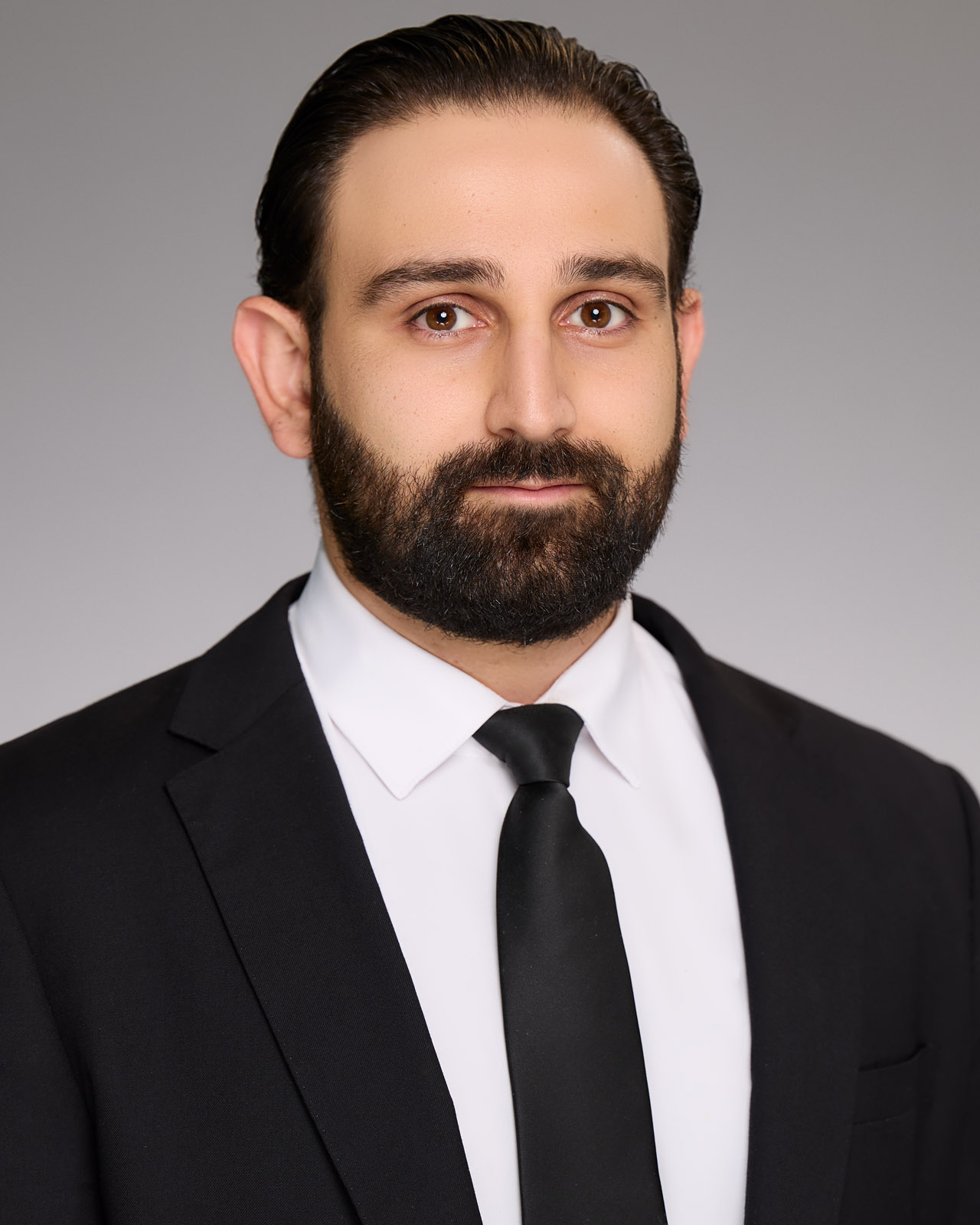
Haig Kazandjian, founder of HBK Lawyers, has stated publicly that his assessment is that juries are likely to find in favor of plaintiffs in these early cases. The evidence of internal company knowledge, particularly Meta’s own research showing harm to teenage girls, combined with the severity of documented injuries, creates a strong factual record for plaintiffs.
Defense arguments that users chose to spend time on these platforms, or that parents bear responsibility for monitoring use, have not performed well in pre-trial motions, and juries in product liability cases historically hold companies accountable when internal documents show awareness of risk.
Multidistrict Litigation Centralized in Los Angeles
The MDL consolidating social media addiction cases is being managed in the U.S. District Court for the Northern District of California, with significant coordination happening through Los Angeles-based counsel due to the volume of California-based plaintiffs.
Centralizing cases in an MDL allows for coordinated discovery, reduces duplicative litigation, and creates a more efficient process for resolving common legal and factual issues.
New cases continue to be filed weekly. The MDL structure allows individual plaintiffs to join the consolidated proceeding without each case needing to proceed independently through discovery and motion practice. This benefits plaintiffs by reducing legal costs and accelerating the timeline to resolution.
Why Getting in Early Matters
Most law firms representing defendants in mass tort litigation adopt a wait-and-see approach. They delay investing in advertising and case acquisition until bellwether trials produce plaintiff verdicts, at which point the legal risk becomes clearer and settlement discussions begin in earnest.
Further, these cases are age-limited. Most claims focus on individuals 25 or younger, and once that window closes, or the statute of limitations runs, plaintiffs may lose the right to bring a claim entirely.
Filing early isn’t about rushing, it’s about protecting your or your child’s claim while it’s still viable. It also allows time to gather medical records, document the timeline, and properly build the case while the details are still clear.
If your child may have been harmed after heavy use of platforms like Instagram, TikTok, or YouTube, the most important step is making sure you don’t miss the window to act.
HBK Lawyers is actively accepting social media addiction cases now, during the case-building phase, rather than waiting for various bellwether cases to settle or be decided by a jury. If you believe your child was harmed by social media platform design, now is the time to be evaluated.
How HBK Lawyers Handles Social Media Addiction Cases
Social media addiction litigation is a specialized area of mass tort law. Not all e firms handle these cases, and many firms that do accept them rely on referral networks rather than direct case development. HBK Lawyers takes a different approach.
Thorough Case Evaluation and Medical Review
Before accepting a case, we review the full medical record, platform usage history, and timeline of events. Social media addiction claims require a clear causal connection between platform use and documented harm. That connection is built through medical records, therapy notes, diagnostic reports, and platform-generated usage data showing hours spent per day and the types of content the algorithm served.
We also evaluate whether the harm occurred during a period when the plaintiff was a minor, whether treatment was sought and documented, and whether the facts support a claim under the legal theories being pursued in the MDL. Not every case of heavy social media use qualifies. We accept cases where the evidence is strong and the harm is documented.
Building Evidence of Platform Design and Internal Knowledge
Social media addiction cases are product liability cases. That means proving two things: the product (the platform and its algorithm) was defectively designed or unreasonably dangerous, and the company knew or should have known about the risks and failed to act.
The evidence in these cases comes from internal company documents obtained through:
- Discovery
- Whistleblower testimony
- Academic research on algorithm design and adolescent psychology
- Expert testimony on causation
- The plaintiff’s own medical and usage records
We work with technical experts who understand how recommendation algorithms function, how engagement metrics are calculated, and how platforms A/B test features to increase time spent on the app. We also work with medical experts who can testify to the causal relationship between prolonged exposure to harmful content and specific diagnosed mental health conditions.
The defense will argue that correlation is not causation — that the plaintiff’s mental health concerns had other causes, or that the platform merely reflected content users sought out. Countering that argument requires detailed evidence of how the algorithm created the user experience, not simply responded to it.
Contingency Fee Representation: No Fees Unless We Win
All social media addiction cases are handled on a contingency fee basis. You pay no upfront retainer, no hourly legal fees, and no costs unless we recover compensation for you. If we win or settle your case, our fee is a percentage of the recovery. If we do not recover anything, you owe nothing.
This structure aligns our incentives with yours. We only get paid if you do. It also ensures that families who could not otherwise afford legal representation can pursue justice against companies with unlimited litigation budgets.
Bilingual Representation in English and Spanish
HBK Lawyers provides complete legal representation in Spanish. All case consultations, medical record review, client communication, and court proceedings are available in Spanish at every stage of the case. Clients who communicate primarily in Spanish receive full attorney representation, not translated summaries or intake-only service.
Compensation Available in Social Media Addiction Lawsuits

Social media addiction lawsuits seek compensation for the harm caused by defectively designed platforms. The types of damages available depend on the severity of the injury, the strength of the causal evidence, and whether the case settles or proceeds to a verdict.
Medical and Psychological Treatment Costs
Plaintiffs can recover the cost of all past and future medical treatment related to the harm caused by social media addiction. This includes:
- Therapy and counseling sessions
- Psychiatric treatment and medication management
- Inpatient hospitalization for eating disorders, suicidal ideation, or severe mental health crises
- Residential treatment programs
- Ongoing mental health care that is required as a result of the injury
Courts award compensation for these expenses based on documented bills and expert testimony about future treatment needs.
Pain and Suffering Damages
California law allows recovery for the non-economic damages caused by the injury. This includes:
- Emotional distress and psychological suffering
- Loss of enjoyment of life
- Humiliation and damage to self-esteem
- Anxiety, depression, and ongoing mental health struggles that persist after treatment
Pain and suffering damages in social media addiction cases can be significant, particularly when the harm involved suicidal ideation, self-harm, or severe eating disorders that caused lasting physical and psychological consequences. Juries evaluate these damages based on the severity of the injury, the age of the plaintiff, and the impact on the plaintiff’s life trajectory.
Potential for Punitive Damages
Punitive damages are available when the defendant’s conduct was particularly egregious because the company acted with malice, fraud, or oppression. In social media addiction cases, punitive damages may be awarded if the evidence shows that the company knew its platform was causing harm to minors and chose not to act, or actively concealed the risks from parents and regulators.
Internal documents show that Meta researchers flagged the harm Instagram was causing to teenage girls, and that executives chose not to implement safety features because they would reduce engagement. This evidence supports a punitive damages claim designed to punish the defendant and deter similar conduct in the future. In mass tort cases involving large corporations, punitive damages can be substantial.
Loss of Future Earning Capacity
For plaintiffs whose mental health injuries affected their education, career development, or ability to work, compensation may include damages for lost future earning capacity. A teenager who was hospitalized for an eating disorder during high school, missed significant school time, and was unable to attend college as a result may recover damages for the lifetime earnings they lost due to the disruption.
These damages require expert economic testimony projecting what the plaintiff would have earned absent the injury, and are typically significant in cases involving severe, long-term harm.
Frequently Asked Questions About Social Media Addiction Claims
How long do I have to file a claim?
Social media addiction claims are governed by California’s product liability statute of limitations, which generally allows two years from the date the plaintiff discovered (or should have discovered) the injury.
For minors, the statute of limitations is tolled, meaning the clock does not start running until the plaintiff turns 18. However, waiting too long can result in lost evidence, faded memories, and reduced settlement leverage. If your child experienced harm related to social media use, contact an attorney now rather than waiting for the statute to expire.
Do I need proof of medical treatment?
Yes. Social media addiction claims require documented harm, such as therapy records, psychiatric evaluations, hospitalization records, or other clinical documentation showing that a licensed mental health professional diagnosed and treated the condition.
Self-reported harm or parental observation alone does not meet the evidentiary threshold. If your child has been in treatment, gather all medical records, therapy notes, and diagnostic reports before your consultation.
Can parents file on behalf of minors?
Yes. Parents or legal guardians can file social media addiction claims on behalf of minor children. If the child is still a minor at the time the case is filed, the parent acts as the guardian ad litem and makes legal decisions on the child’s behalf.
Once the child turns 18, they can choose to continue the case in their own name or ratify the parent’s actions. Most cases involving teenage plaintiffs are initiated by parents who observed the harm and sought treatment.
What if my case doesn’t go to trial?
Most mass tort cases settle before trial. Social media addiction litigation will likely follow the same pattern: a small number of bellwether cases will proceed to verdict, and once the defense has sufficient information about jury behavior and verdict amounts, serious settlement negotiations will begin.
Settlements are negotiated individually based on the strength of each plaintiff’s case, the severity of the harm, and the quality of the evidence. You are not required to accept a settlement; if the offer does not fairly compensate you for the harm, your case can proceed to trial.
No. Filing a social media addiction lawsuit does not require you to delete your accounts or stop using the platforms. However, continued heavy use after the harm has been diagnosed may complicate the causation argument. Defense attorneys will argue that if the plaintiff continues using the platform after treatment, the harm could not have been that severe. Discuss your current social media use with your attorney during the case evaluation.
Will my medical records be kept private?
Medical records submitted as evidence in litigation are generally subject to protective orders that limit who can access them and how they can be used. However, if your case proceeds to trial, some medical information may become part of the public record.
While not guaranteed, most plaintiffs in social media addiction cases settle before trial, which allows for confidentiality provisions that keep medical records and settlement terms private. Your attorney can explain the privacy implications based on how your case proceeds.
What if my child used multiple platforms?
Most plaintiffs in social media addiction litigation used multiple platforms.. The lawsuit can name all relevant platforms as defendants. The legal question is whether each platform’s algorithm contributed to the harm, not whether one platform was exclusively responsible. Usage data, medical records, and the plaintiff’s own account of which platforms displayed the most harmful content will determine which defendants are included in your case.
Why Hire HBK Lawyers?
$100 Million Recovered for California Workers and Consumers
HBK Lawyers has recovered over $100 million in settlements and verdicts for clients across employment law, personal injury, and mass tort cases. Our case results reflect the quality of the claims we accept and the thoroughness of our case preparation. We do not take every case that walks through the door. We take cases we can win and pursue them aggressively.
50+ Years of Combined Legal Experience
Founding attorney Haig B. Kazandjian has been recognized as a Super Lawyers Rising Star every year since 2016. The legal team at HBK Lawyers brings more than 50 years of combined experience in litigation, with a focus on cases where large institutions or corporations harmed individuals and tried to avoid accountability. Social media addiction litigation fits that profile exactly.
Full Representation in Spanish
Many families affected by social media addiction are Spanish-speaking. HBK Lawyers provides complete legal representation in Spanish at every stage of the case. You will not be handed off to a translator or given summaries of what your attorney said; your attorney will speak directly to you in Spanish, explain your legal options, and represent you in court if necessary.
Case Results

$3,600,000
$2,800,000
$1,500,000
$1,260,000
$1,500,000
Meet Our Team








Serving Los Angeles County and Southern California
HBK Lawyers represents families affected by social media addiction throughout Los Angeles County, Riverside County, San Diego County, Santa Barbara County, and San Francisco County. If your child was harmed by Instagram, YouTube, TikTok, Facebook, or Snapchat, we can evaluate your case regardless of where you live in California.
Glendale office
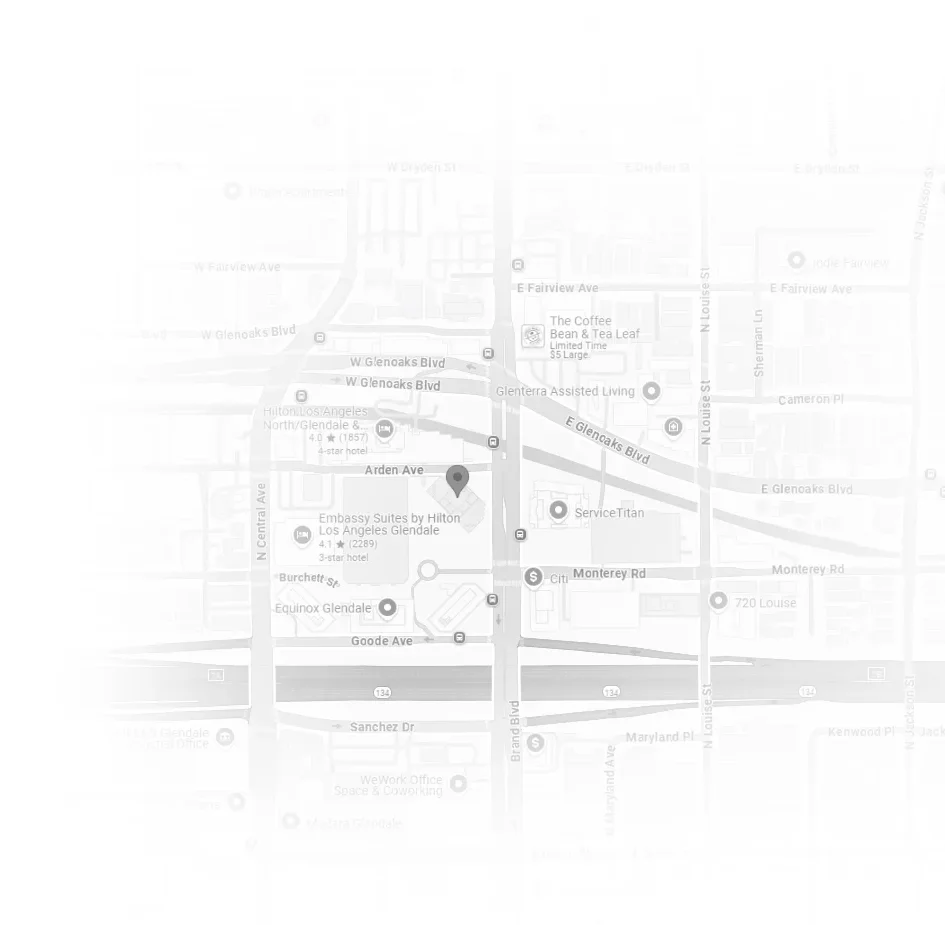
801 N. Brand Blvd., Suite 1015, Glendale, CA 91203
Phone: 818-696-2306
Encino office
16000 Ventura Blvd., Suite 780, Encino, CA 91436
Phone: 818-696-2306
$3,600,000
$2,800,000
$1,500,000
$1,260,000
$1,500,000