California labor law provides some of the most comprehensive employee protections in the country. Even so, wage violations continue to affect workers across many industries. This is where having a qualified wages lawyer can make all the difference. At Haig B. Kazandjian Lawyers APC in Pasadena, California, we represent employees who have suffered from unlawful pay practices to ensure their rights are enforced. Understanding how these violations occur is the first step toward taking legal action and securing the compensation you are owed.
From a Wages Lawyer: Common Wage Violations
Failure to Pay Overtime
One of the most frequently reported violations in California involves unpaid or improperly calculated overtime. State law requires employers to pay time and a half for hours worked beyond eight in a day or 40 in a week, and double time for hours exceeding 12 in a day or eight on the seventh consecutive day of work. When employers misclassify employees or fail to accurately track work hours, these overtime protections are often bypassed. We routinely see clients who were paid straight time despite working extensive hours beyond their regular schedule.
This issue is particularly common in industries where long shifts are standard, such as hospitality, healthcare, and construction. Even salaried workers may be entitled to overtime if their job duties and compensation do not meet the state’s exemption requirements. Misclassification alone does not eliminate overtime protections, but you’ll need the help of a lawyer with knowledge of the law and how to prove wage violations to make your case.
Off-the-Clock Work Without Compensation
Employees are entitled to be paid for all the time they are required to work. However, some employers expect or allow work to be performed before clocking in or after clocking out. This may include requiring employees to set up workstations, attend unpaid meetings, or complete administrative tasks. In many cases, this time goes unrecorded and unpaid.
California law is clear: if you are under the control of your employer or performing work-related tasks, you must be paid for that time. Employers who allow off-the-clock work or pressure employees to perform duties outside of their paid hours violate state wage laws. Our attorneys examine the evidence to determine if you qualify for compensation for unpaid work hours.
Improper Meal and Rest Breaks
Another area where violations commonly occur involves meal and rest breaks. Under California law, non-exempt employees are entitled to a 30-minute unpaid meal break for every five hours worked and a 10-minute paid rest break for every four hours of work. Employers must relieve employees of all duties during these periods.
Problems arise when employers fail to provide the breaks, require employees to work during their breaks, or discourage employees from taking them altogether. Some companies attempt to schedule shifts in ways that appear compliant but, in practice, actually deprive workers of meaningful break time. Employees who are denied breaks may be entitled to premium pay, which means an extra hour of wages for each day that a proper meal or rest break was not provided.
Misclassification of Employees as Independent Contractors
Classifying workers as independent contractors instead of employees has become more common, particularly with the rise of gig-based business models. However, misclassifying workers deprives them of protections afforded under California employment law, including minimum wage, overtime, reimbursement for business expenses, and rest break requirements.
Under California’s ABC test, a worker is presumed to be an employee unless the employer can show the worker is free from control, performs work outside the usual course of the company’s business, and is independently established in that trade or occupation. Many employers fail to meet this standard but still classify workers as independent contractors, which leads to widespread wage violations. We help workers challenge these misclassifications and pursue the compensation they were denied.
Illegal Tip Pooling and Withholding of Gratuities
Service industry workers in California often face wage violations related to tips. State law prohibits employers from taking any portion of a tip that has been left for an employee. While tip pooling is allowed under certain circumstances, employers may not include managers or supervisors in tip-sharing arrangements.
Problems arise when employers improperly distribute tips, fail to account for all gratuities, or make deductions from tips to cover credit card processing fees or other costs. These practices are not permitted under California law. Employees who have had tips unlawfully withheld or misallocated may be entitled to recover those amounts through legal action.
Unpaid Final Wages After Termination or Resignation
When employment ends, California law requires employers to pay all final wages promptly. For employees who are terminated, wages must be paid at the time of termination. If an employee resigns with at least 72 hours’ notice, final wages are due on the last day of work. Without notice, final pay is due within 72 hours of resignation.
Delays in issuing final paychecks, including any unpaid commissions, bonuses, or accrued vacation time, can lead to big penalties, and your lawyer can help you find out what you might be entitled to. Waiting time penalties can equal up to 30 days of additional wages. A wages lawyer from our team of qualified legal experts will help to ensure these violations are exposed and dealt.
Failure to Reimburse Business Expenses
Employers in California are required to reimburse employees for necessary expenses incurred in the course of performing their duties. This includes travel costs, personal cell phone use for work-related calls, required uniforms, and supplies purchased for business purposes. When employers fail to reimburse these costs, they shift the financial burden of operating the business onto employees, which is prohibited under California law. Understanding what qualifies as a business expense is essential to making a case here.
Minimum Wage Violations
Despite clear laws regarding minimum wage, some employees in California still receive less than the required rate. Statewide, the minimum wage is determined by employer size, with additional local ordinances in certain cities and counties setting higher standards. Employers must comply with both state and local laws and pay the highest applicable rate.
Common violations include paying below minimum wage for training time, deducting pay for required uniforms, or averaging tips into base pay to justify lower wages. California law does not allow tips to count toward minimum wage requirements, and workers must be paid at least the full minimum wage for every hour worked.
Our Promise
We’re committed to giving you the representation you need, when you need it. Our team offers free consultation and charges no fees unless we win your case. Under the leadership of our head attorney, Haig B. Kazandjian, a qualified lawyer with nearly 20 years of legal experience, our team is here to help you secure the justice you deserve.
Wage violations are widespread and take many different forms, often leaving employees unaware that their rights have been violated. Whether the issue involves unpaid overtime, missed breaks, misclassification, or final pay violations, we can help you hold your employer accountable.
Contact Our Employment Law Attorneys
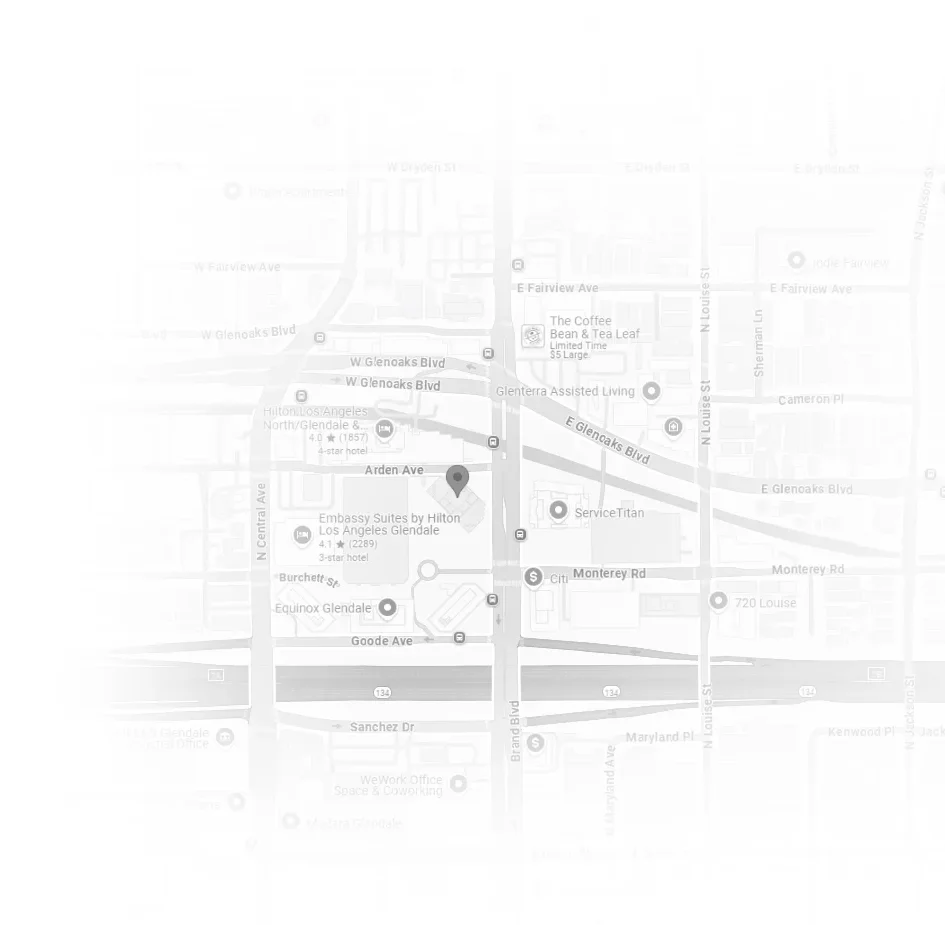
Contact the experience team of attorneys of Haig B. Kazandjian Lawyers APC today. We proudly serve clients across California. Visit us at our Glendale office at:
Haig B. Kazandjian Lawyers APC
801 N. Brand Blvd., Suite 1015,
Glendale, CA 91203
Phone: (818) 696 2306